Set of Swirl Elements for Design: Enhancing Visual Appeal in Digital and Print Media
Swirl elements are a versatile design tool that can elevate the visual appeal of any project. Whether you're working on a website, mobile app, poster, or banner, incorporating swirls can add a dynamic and artistic touch. These elements are often used to create movement, depth, and a sense of fluidity in design compositions.
What Are Swirl Elements for Design?
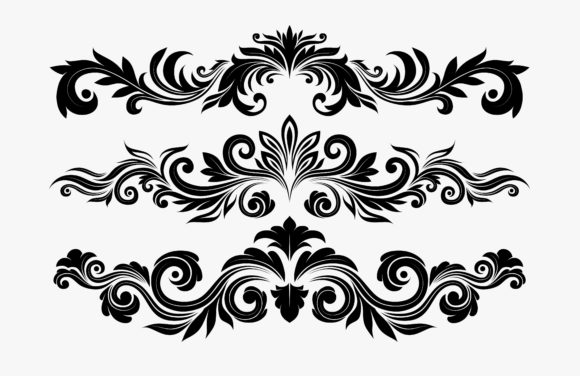
A set of swirl elements for design typically includes a collection of vector graphics featuring swirling patterns, curves, and organic shapes. These designs are created with precision and can be easily scaled without losing quality. They come in various styles, from subtle and minimal to bold and intricate, making them adaptable to different design needs.
Designers often use these elements to break up text blocks, highlight key areas, or add a decorative flair to backgrounds. The flexibility of swirl elements allows them to fit into both modern and traditional design aesthetics.
Real-World Applications of Swirl Elements
Swirl elements are widely used across multiple industries. In web design, they can be integrated into headers, buttons, or background overlays to create a visually engaging user experience. For example, a tech startup might use a set of swirl elements to give their landing page a futuristic and innovative look.
In the world of mobile apps, swirls can help guide users through the interface. A fitness app could use swirl elements to represent motion and energy, reinforcing the brand's message of health and activity. Similarly, a travel app might incorporate swirling patterns inspired by natural landscapes to evoke a sense of adventure.
Posters and banners also benefit from the addition of swirl elements. Event organizers might use them to draw attention to key details like dates, locations, or ticket information. A music festival poster, for instance, could feature swirling graphics that reflect the energy and rhythm of the event.
Who Benefits From Using Swirl Elements?
Graphic designers, digital artists, and web developers are among the primary users of swirl elements. However, their usefulness extends beyond professionals. Entrepreneurs, small business owners, and content creators can also leverage these elements to enhance their branding and marketing materials.
For example, a local bakery might use swirl elements in their social media posts to create eye-catching visuals that stand out in a crowded feed. A freelance designer could incorporate swirls into their portfolio to showcase their creative versatility and attention to detail.
Even non-designers can benefit from using pre-made sets of swirl elements. Many design platforms offer downloadable templates that allow users to customize and apply swirls without needing advanced design skills. This makes it easier for anyone to experiment with visual storytelling and improve the aesthetic quality of their projects.
Considerations Before Using Swirl Elements
Before integrating swirl elements into a design, it's important to consider the overall style and purpose of the project. Swirls should complement the existing elements rather than overwhelm them. Too many swirls can make a design feel cluttered and unprofessional.
Another factor to keep in mind is the target audience. A minimalist swirl might resonate well with a tech-savvy audience, while a more elaborate design could appeal to a creative or artistic demographic. Understanding the preferences of the intended viewers helps ensure that the design is both effective and appealing.
Additionally, the resolution and format of the swirl elements matter. High-quality vector files are ideal for scalability, while raster images may need to be adjusted for different screen sizes. Always check that the elements you choose are compatible with your design software and output requirements.
Strengths and Limitations of Swirl Elements
One of the main strengths of swirl elements is their ability to add visual interest without requiring complex design work. They can transform a simple layout into something more dynamic and engaging. Their adaptability makes them suitable for a wide range of applications, from digital interfaces to print materials.
However, there are limitations to consider. Overuse of swirl elements can lead to a chaotic appearance, especially if not balanced with other design components. It's also important to ensure that the swirls do not interfere with readability or usability, particularly in text-heavy designs.
Moreover, some swirl elements may have licensing restrictions that limit how they can be used. Always review the terms of use before incorporating them into commercial projects to avoid legal issues.
Practical Examples of Swirl Element Usage
Imagine a fashion brand launching a new line of eco-friendly clothing. They could use a set of swirl elements to create a background that mimics natural patterns, reinforcing their commitment to sustainability. The swirls could be subtle, appearing as a soft texture behind product images and text.
Another scenario involves a financial services company looking to update their website. By adding swirl elements to their homepage, they can introduce a sense of movement and innovation, helping to differentiate themselves from competitors. The elements could be used to frame key statistics or highlight new features.
For a personal blog focused on mindfulness and self-care, swirl elements could serve as decorative dividers between sections. They might appear as borders around quotes or as background accents that create a calming and cohesive visual theme.