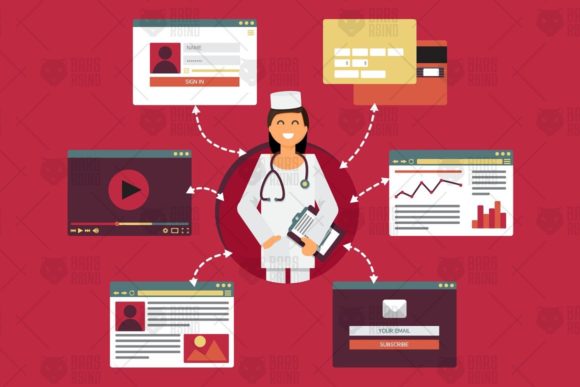
Online Medicine Concept: A Modern Approach to Healthcare and Digital Engagement
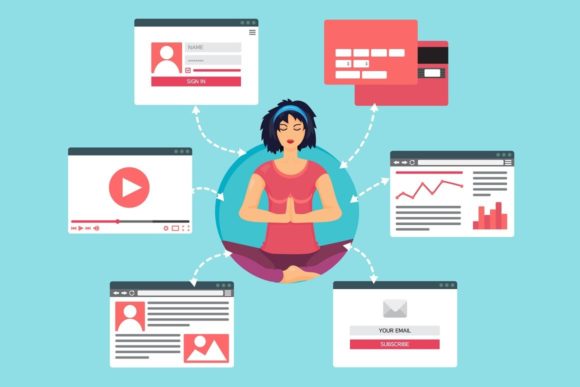
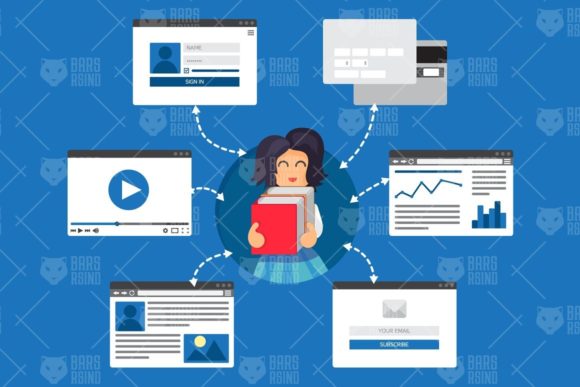
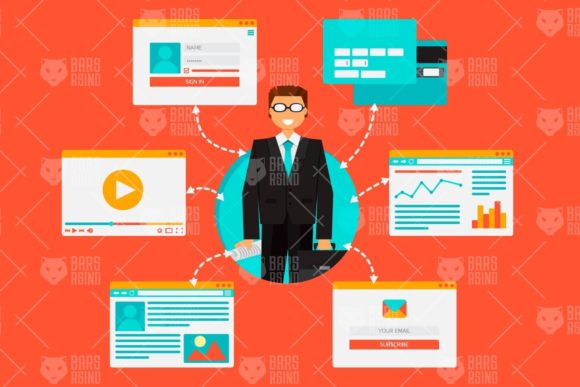
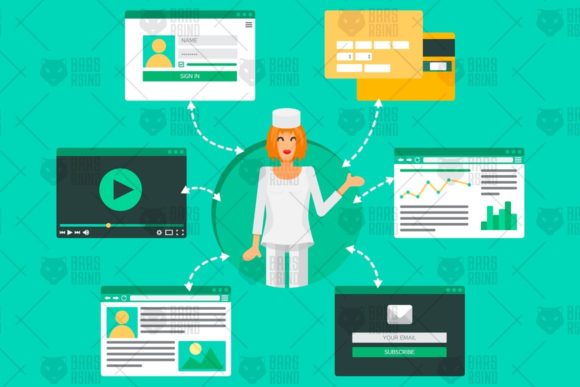
The Online Medicine Concept represents a significant shift in how medical professionals interact with patients, manage information, and deliver services through digital platforms. This concept integrates various online tools such as video consultations, blogs, social media, email marketing, and e-commerce to create a comprehensive healthcare ecosystem. Unlike traditional methods, which rely heavily on in-person visits and paper-based records, the Online Medicine Concept leverages technology to streamline communication, improve accessibility, and enhance patient engagement.
Understanding the Components of Online Medicine Concept
The Online Medicine Concept encompasses several key elements that together form a robust digital healthcare system. These include:
- Video Consultations: Doctors can conduct real-time virtual meetings with patients using secure video platforms, allowing for remote diagnosis and treatment planning.
- Blogs and Articles: Medical professionals use blogs to share health-related information, provide educational content, and build trust with their audience.
- Social Media Presence: Platforms like Facebook, Instagram, and LinkedIn enable doctors to connect with patients, promote health awareness, and engage in community discussions.
- Email Marketing: Regular newsletters and personalized emails help maintain patient relationships and keep them informed about health updates and practice news.
- Online Payment Systems: Patients can pay for services, medications, or subscriptions securely through credit or debit cards, making transactions more convenient.
These components work in harmony to create a seamless digital experience for both healthcare providers and patients. The integration of these tools not only improves efficiency but also allows for better data management and analytics, which can inform future decisions and strategies.
Comparing Online Medicine Concept with Traditional Methods
While traditional healthcare models have long been the standard, the Online Medicine Concept offers distinct advantages that cater to modern lifestyles. For instance, the convenience of virtual consultations eliminates the need for travel, reducing time and cost for both patients and providers. In contrast, traditional in-person visits may require scheduling, commuting, and waiting, which can be inconvenient for busy individuals.
Another difference lies in the accessibility of information. With the Online Medicine Concept, patients can access medical content anytime, anywhere, through websites, apps, or social media. Traditional methods often limit access to office hours and physical locations, which may not suit everyone’s needs. Additionally, the use of digital tools allows for more personalized communication, enabling doctors to tailor messages and recommendations based on individual patient data.
However, it's important to note that the Online Medicine Concept is not without its challenges. Issues such as data security, privacy concerns, and the potential for miscommunication can arise. Traditional methods, while less flexible, may offer a more direct and personal touch that some patients prefer.
Strengths and Tradeoffs of the Online Medicine Concept
The Online Medicine Concept has several strengths that make it an attractive option for many. One of the primary benefits is the ability to reach a wider audience. By utilizing online platforms, medical professionals can connect with patients from different regions, expanding their practice and impact. This is particularly beneficial for those who may have limited access to in-person healthcare services.
Another strength is the potential for improved patient engagement. Through regular communication via email, social media, and blogs, doctors can foster a sense of community and support among their patients. This ongoing interaction can lead to better health outcomes and increased patient satisfaction.
Despite these advantages, there are tradeoffs to consider. The reliance on technology can sometimes lead to a lack of personal connection, which is crucial in healthcare. Some patients may feel uncomfortable with virtual consultations or may not have the necessary digital skills to navigate online platforms. Additionally, the initial setup and maintenance of digital tools can require time and resources, which may be a barrier for some practitioners.
Best-Fit Situations for the Online Medicine Concept
The Online Medicine Concept is particularly well-suited for certain scenarios. For example, it is ideal for patients who live in remote areas or have mobility issues, as it provides access to healthcare without the need for travel. It is also beneficial for individuals with busy schedules who may find it difficult to attend in-person appointments.
Additionally, the Online Medicine Concept is a good fit for medical professionals looking to expand their reach and build a digital presence. By leveraging online tools, they can establish themselves as experts in their field and attract a larger patient base. This approach is especially effective for those offering specialized services or niche treatments that may not be widely available locally.
However, it's important to recognize that the Online Medicine Concept may not be the best choice for every situation. For instance, complex medical conditions that require physical examinations or diagnostic tests may still necessitate in-person visits. In such cases, a hybrid approach that combines online and traditional methods may be more appropriate.
Limitations and Decision Factors
When considering the Online Medicine Concept, it's essential to evaluate its limitations and determine whether it aligns with your specific needs. One limitation is the potential for technical issues, such as poor internet connectivity or software malfunctions, which can disrupt communication and affect the quality of care. Additionally, the lack of face-to-face interaction may make it challenging to build trust and rapport with patients.
Other decision factors include the availability of digital resources, the comfort level of both patients and providers with technology, and the overall goals of the healthcare practice. For example, if the primary objective is to increase patient engagement and accessibility, the Online Medicine Concept may be a strong choice. However, if the focus is on providing hands-on care or managing complex cases, a traditional approach may be more suitable.
Ultimately, the decision to adopt the Online Medicine Concept should be based on a thorough evaluation of these factors and a clear understanding of the needs and preferences of both patients and providers.
Realistic Examples and Practical Comparisons
To illustrate the practical applications of the Online Medicine Concept, consider the following examples:
- Telemedicine Services: Many clinics now offer telemedicine options, allowing patients to consult with doctors remotely. This is particularly useful for follow-up appointments, minor ailments, and mental health support.
- Health Blogs and Forums: Doctors can create informative blogs or participate in online forums to address common health concerns and provide guidance to readers.
- Online Booking Systems: Patients can schedule appointments, view availability, and receive reminders through digital booking systems, improving efficiency and reducing no-show rates.
These examples highlight how the Online Medicine Concept can be adapted to meet various needs and preferences. However, it's important to compare these options with other approaches to determine the most effective solution for each situation.